Your Leading Cloth Coaster Manufacturer in China

Shaoxing Shining Textile Co.,Ltd: We specialize in cotton textiles for 20 years, providing safe, environmentally friendly and high-temperature-resistant cotton home textile products to global suppliers

100% Eco-Friendly

Our products are made of sustainable materials such as cotton, linen, etc., which is part of our green practices to shoulder social responsibility. These products are can be 100% recycled after use and won't last a lifetime in the landfill.

Customizable

We provide global customers with OEM&ODM services. We can offer our colors and patterns for customers to choose. Or the customer provides an idea and we implement it for you.


Logistics

We are located in Shaoxing City, Zhejiang Province where near Ningbo Port and Shanghai Port, so it is very convenient for shipment. We have long-term cooperation with forwarders, so that we can get competitive prices.

Quality Assurance

We have passed BSCI, OEKO-TEX and other certificates. And our company has won the trust and support of customers all over the world with high-quality products and first-class after-sales service.
 

First 1234567 Last

Cloth napkins are a great, eco-friendly alternative to disposable paper napkins. Made from 100% cotton, our napkins are soft, durable and machine washable. They're perfect for use at home, in restaurants, or for special occasions.


Our products are designed to absorb spills and messes effortlessly so you can use them time and time again. They also come in a range of stylish designs and colours, so you can tailor your table setting to your personal taste.


What is Cloth Napkin
 

A napkin, serviette or face towelette is a square of cloth or paper tissue used at the table for wiping the mouth and fingers while eating. It is also sometimes used as a bib by tucking it into a shirt collar. It is usually small and folded, sometimes in intricate designs and shapes. Cloth napkins absorb moisture better and won’t fall apart when faced with the hard jobs. Any saucy, juicy Southern meal is easier to handle with a cloth option.


Why You Should Use Cloth Napkins

White Cloth Napkins

They’re Less Wasteful Than Paper Towels

If your response to the gripe above is to just use paper towels, please stop right there. Paper towels (and paper napkins) are super wasteful. We’re fine with a paper towel or napkin here and there (it’s not like we think you need a cloth square just to eat pizza on a Friday night!), but reusable napkins are best when you’re serving dinner for a crowd.

Multi-purpose Cotton Table Napkins

They’re Decorative

If you’ve taken even one minute to think about your place settings, you should absolutely be using cloth napkins. A table just looks more finished with a perfectly folded napkin. Plus, you can add some extra beauty and personality with napkin rings. You can’t exactly use napkin rings with paper napkins, can you?

White Dinner Napkins Bulk

They’re Inexpensive and You’ll Have Them Forever

Cloth napkins are one of the cheapest and easiest ways to add color and class to your table. They’re typically cheaper than a salad plate or ornate glassware, and you can even DIY them if you want. Once you have a set or two in your home, as long as you don’t let stains sit, you’ll be able to use them for plenty of dinner parties to come.

Cocktail Napkin

They Hold Up Way Better Than Paper Napkins

No one wants to use paper napkins that are going to disintegrate after a few quick hand wipes during a messy meal. A cloth napkin can stand up to the messiest fingers — every single time.

Embroidered Cloth Napkins

You Can Use Them for Other Things

Those rolls aren’t going to keep themselves warm. Use them to line serving baskets or tie them around a wine bottle to catch drips. They’re infinitely useful.
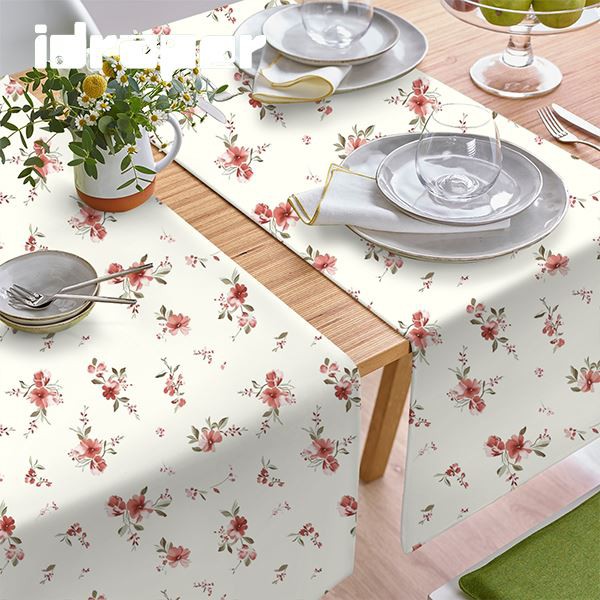
Spring Cloth Napkins

You Don’t Even Have to Clean Them That Often

It’s true! Even if a cloth napkin has been gently used, you might not have to bother putting in the wash.


What is the Common Fabric for Cloth Napkins

Cotton

Cotton is a classic and versatile choice for napkins. It’s absorbent, durable, and easy to care for. Plus, cotton fabrics come in a wide range of colors and patterns. Keep in mind that cotton napkins may wrinkle easily, so if you want crisp-looking napkins, you may need to iron them before use. Some popular cotton napkin options include:
●100% Cotton: This is a soft and breathable option that’s perfect for everyday use.
●Cotton-polyester Blend: This blend offers the best of both worlds-the softness of cotton and the wrinkle resistance of polyester.
●Organic Cotton: If you’re looking for an eco-friendly option, organic cotton is a great choice. It’s grown without harmful pesticides or synthetic fertilizers.

Linen

Linen is a luxurious and elegant fabric option for napkins. It’s lightweight, absorbent, and has a natural sheen. Linen napkins are also highly durable and can last for years. However, linen can be more expensive than other napkin fabrics. Some popular linen napkin options include:
●100% Linen: This is the most luxurious option and has a crisp, cool feel.
●Linen-cotton Blend: This blend offers the softness of cotton with the durability of linen.
●Linen-rayon Blend: This blend is more affordable than pure linen and has a softer feel.

Cloth Placemats And Napkins
Bar Napkins

Bamboo

Bamboo is a sustainable and eco-friendly option for napkins. It’s soft, absorbent, and naturally antibacterial. Bamboo napkins also have a silky feel and drape beautifully. However, bamboo can be more expensive than other napkin fabrics and may require special care. Some popular bamboo napkin options include:
●100% Bamboo: This is the most eco-friendly option and has a luxurious feel.
●Bamboo-cotton Blend: This blend offers the softness of cotton with the sustainability of bamboo.

Polyester

Polyester is a budget-friendly and low-maintenance option for napkins. It’s wrinkle-resistant, stain-resistant, and comes in a variety of colors and patterns. However, polyester can feel less luxurious than other napkin fabrics and may not be as absorbent. Some popular polyester napkin options include:
●100% Polyester: This is the most affordable option and is perfect for casual events.
●Polyester-cotton Blend: This blend offers the softness of cotton with the wrinkle resistance of polyester.


Benefits of Using Cloth Napkins over Paper Napkins 

 
01
 

Aesthetic Appeal

Cloth napkins look much more pleasing to the eyes than paper napkins. Furthermore, you can fold cloth napkins in so many ways. This gives you further room to change the aesthetics of your dining area. On the other hand, paper napkins are designed to get the job done. They don't look as good as linen or cotton napkins.

 
02
 

Perfect for Kids

Cloth napkins are ideal napkins for kids. That's because they cannot be ripped apart. So, kids can focus on completing the meal rather than playing with their napkins. So, paper napkins aren't for you if you have kids at home.

 
03
 

Affordability Factor

Cloth napkins are more affordable than paper napkins; here is how. Paper napkins are basically disposable napkins. You cannot use them again and again. Whereas cloth napkins can be washed. So, you can use them repeatedly. Also, most of these napkins are made from eco-friendly materials. So, in the long run, cloth napkins are an affordable pick. Their initial cost may be comparatively high, but their durability and practicality justify that cost.

Multi Colored Cloth Napkins


Factors to Consider When Choosing Cloth Napkin
 

Material

The first aspect to consider is the material of the napkin. Now, there are various materials options available to choose from. Cotton, linen, and polyester are common materials used to make napkins. It is up to you which material suits you the best. However, linen napkin clothes are quite good because of their soft touch and crisp appearance. It is a good idea to invest in this napkin type. You can easily wash them. So, they can be used for years to come.

Recommended Size

Like the material option, you have the option to choose your favorite napkin in multiple sizes. The ideal size depends on your personal preferences. Ideally, a 45 cm x 45 cm napkin would be enough for your lunch or dinner meals. However, for a more formal dining experience, you can also opt for 65 cm x 65 cm napkins.

Colors

Choose a unique color for your dinner napkin cloth. In this regard, you should go with a color that is in contrast with your dining table. For example, off-white or plain white napkins will look the best for a black dining table. You can also choose any other color of our choice.


How to Cooperate With Us
 

Check Out Our Product Category

You’ll see full collection of our products in website.

Send Us an Inquiry

Your inquiry with the product custom details will be responsed in 7 days x 24 hours.

Get a Quotation

We offer EXW/ FOB/CIF/DDP/ DDU Price as customers require.

Receive Free Sample

We offer our customers samples for free.

Determine the Final Solution

We finalise our custom and transport plan after thorough online/offline communication.

Start our Cooperation

Efficient and precise processing and testing equipment.


Our Certificate


The company has been adhering to the principle of "people-oriented, guests first, establishing the integrity service as the criterion, and taking careful work as the method.


productcate-384-584


Common Problem of Cloth Napkin


Q: What fabric is best for cloth napkins?

A: Because of its absorbance, cotton makes the best fabric for cloth napkins, which is why we block print our cloth napkins on high quality cotton. Cotton is a unique fabric since it’s both soft and durable at the same time. And don’t forget-cotton napkins are easy to launder!

Q: What material are napkins made out of?

A: Depending on what occasion you are currently shopping for, you might want to choose a disposable or reusable napkin. Disposable napkins are usually made from paper or recycled materials, while reusable napkins are typically made from various cloths, like linen which has a soft and high-quality feel.

Q: Why choose Cloth Napkins?

A: For formal events like dinner parties, galas, and wedding receptions, using cloth napkins is almost always requested by guests. Cloth napkins are soft to the touch, highly absorbent, and unique. Depending on the fabric from which your cloth napkin is made, they also tend to be more expensive than paper napkins. If your customers are looking for a memorable dining experience, simply replacing disposable napkins with high-quality cloth napkins can upgrade the look of your tablescapes. When purchasing cloth napkins for your establishment, keep in mind that they need to be thoroughly washed and sanitized between uses.

Q: What is a cloth napkin called?

A: A napkin, serviette or face towelette is a square of cloth or paper tissue used at the table for wiping the mouth and fingers while eating. It is also sometimes used as a bib by tucking it into a shirt collar. It is usually small and folded, sometimes in intricate designs and shapes.

Q: Why is cotton used for napkins?

A: Compared to paper napkins, cotton napkins have benefits for everyone: Respectful to the environment: cotton napkins are not made with chemical products and are reusable, so that the waste produced in the manufacturing process (by the industry) is reduced, and later, in every meal (by us).

Q: Are cloth napkins hygienic?

A: Napkins are used by one customer at a time. When laundered properly and handled under sanitary, food-safe conditions, table napkins are clean and safe. Even the CDC agrees – cloth napkins are safe to use for as long as there is strict adherence to laundry, single-use, and other guidelines for restaurants.

Q: Are cloth napkins better than paper?

A: Cloth napkins are generally more eco-friendly than paper napkins. Linen is preferred over cotton because it uses less water and produces fewer greenhouse gases during production. However, the most sustainable option ultimately depends on the source material used for production. Recycled paper is a better choice than virgin paper, and using napkins made from 100% recycled paper can reduce energy usage and waste during production.

Q: How long do cloth napkins last?

A: Over time, you can build up your stash of napkins and stretch out the days between washings. In our experience, daily use cloth napkins last for at least three years. The more sets you have in rotation, the longer each set will last. My family cycles through three or four sets of napkins.

Q: Is cotton or linen better for napkins?

A: When it comes to napkins, both cotton and linen have their pros and cons. Cotton is more absorbent than linen, making it ideal for mopping up spills. Linen, on the other hand, is more durable and less likely to stain. Linen is a natural fiber that is both hypoallergenic and antibacterial. It also breathes well, making it a good choice for hot summer days. So whether you're looking for functionality or style, both cotton and linen make great choices for napkins.

Q: Is linen a good fabric for napkins?

A: If you're looking for a fabric that will give your napkins a luxurious feel, linen is the way to go. Linen is made from flax plants, and it's prized for its strength and durability. And they are also absorbent, so they'll soak up spills quickly. Plus, they'll look good even after multiple washings. However, linen napkins do have a couple of drawbacks. First, they're not as easy to find as other fabrics like cotton. And second, they can cost more. But if you're willing to pay a little more, and can buy linen napkins in bulk, they can be more affordable and definitely worth the investment.

Q: Are linen napkin absorbent?

A: Made from natural fibers, linen is highly absorbent and can quickly soak up spills and messes. Additionally, linen is also highly breathable, meaning that it won't trap moisture against your skin like some other fabrics can. As a result they are an excellent choice for both everyday use and formal occasions. So next time you're looking for a spill-proof option, look for a linen napkin. You won't be disappointed.

Q: How do you pick cloth napkins?

A: By considering the theme and color scheme of your event, the material and texture of your napkins, the size and shape, folding style, and practicalities, you can select the perfect Cloth dinner napkins for your table settings/occasion and make a lasting impression on your guests.

Q: How do you clean cloth napkins?

A: Add the napkins and fully submerge them in the bleach soaking solution. Let them soak for 5 minutes. Drain the soaking solution. Finish by machine washing them in hot water using detergent and ⅓ cup Disinfecting Bleach.

Q: What is the purpose of a cloth napkin?

A: Cloth napkins absorb moisture better and won't fall apart when faced with the hard jobs. Any saucy, juicy Southern meal is easier to handle with a cloth option. As a bonus, children can't shred them into a mess, and the family furry friend won't eat them to get the sauce.

Q: What do you call a cloth napkin?

A: Napkins, Serviettes or face cloths are pieces of cloth used in dining situations for wiping the mouth and fingers to clean excess food etc from your face and protect you from spills and crumbs which you may acquire during a meal. The word Napkin comes from the French word nappe which is a cloth for covering a table. Before we used the cloth we have today, the Romans would use a lump of dough (bread) to wipe their hands. The Romans then had a cloth which was pocket sized and would be carried by them which they would use to mop their brow and was called a sudaria. They also had another cloth called the mappae which was made in medium and large lengths. This went over the edge of the sofa as a protection for the food they took in a reclining position.

Q: What size is a cloth napkin?

A: Informal dinner napkins are typically measuring 18 inches-20 inches squared. They are larger and can be presented to guests intricately folded or placed on charger plates, and are large enough to completely cover a persons lap while eating. Formal dinner napkins measure 22 inches-26 inches squared. They are typically used for multiple course meals and for formal events such as weddings and banquets.

Q: Do you wash cloth napkins?

A: Yes. Many newer table linens are made using synthetic fabrics and have a care tag with instructions for washing them. Most tablecloths and linens should be safe if you wash them using cold water and the permanent press cycle. Wash tablecloths at least once a month; more if soiled. You should wash cloth napkins after each use. To dry the items, use a low heat setting, or if it's a vintage or delicate item, air-dry it.

Q: Are cloth napkins hygienic?

A: Napkins are used by one customer at a time. When laundered properly and handled under sanitary, food-safe conditions, table napkins are clean and safe. Even the CDC agrees – cloth napkins are safe to use for as long as there is strict adherence to laundry, single-use, and other guidelines for restaurants.

Q: How safe are cloth pads?

A: In addition, unlike disposables, cloth pads are not made with chemicals, ensuring your skin remains irritant and rash free. Moreover, wearing cloth pads during your period gives you the additional advantage of having a cycle that doesn't make you worry about a foul smell arising while changing at regular intervals.

Q: What is the difference between linen and cotton napkins?

A: The most obvious difference between cotton and linen has to do with the physical look and feel of the two fabrics.
Softness
New cotton is softer to the touch than new linen. However, linen softens after each wash and lasts as it’s a durable fiber, whereas cotton will slowly wear thin over time. For something like a baby blanket, which you may want to keep for sentimental reasons, linen is a good option for softness and longevity.
Texture
Linen is more naturally textured than cotton since it’s made from flax fibers and has a looser weave. The texture of linen has more depth and is on trend with items like linen curtains, bedding and napkins-all of which will soften after each wash.
Temperature
Both linen and cotton will keep you warm, but linen does a great job of keeping you cool when it’s hot. Flax fibers are hollow and light, and the loose fabric weave makes linen breathable-allowing air to circulate freely while the fabric wicks away moisture. Cotton is soft and breathable, but it’s also an insulator. It can have a denser weave than linen, making it slightly warmer. In the winter, consider switching to a heavy cotton curtain to help prevent drafts while adding style and texture to the room.

We're well-known as one of the leading cloth napkin manufacturers and suppliers in China. If you're going to wholesale high quality cloth napkin with competitive price, welcome to get more information from our factory.

Disposable Linen Napkins, Tear Away Cloth Napkins, Cloth Napkins Roll

Shopping Bags