


Your Leading Cloth Coaster Manufacturer in China
Shaoxing Shining Textile Co.,Ltd: We specialize in cotton textiles for 20 years, providing safe, environmentally friendly and high-temperature-resistant cotton home textile products to global suppliers
100% Eco-Friendly
Our products are made of sustainable materials such as cotton, linen, etc., which is part of our green practices to shoulder social responsibility. These products are can be 100% recycled after use and won't last a lifetime in the landfill.
Customizable
We provide global customers with OEM&ODM services. We can offer our colors and patterns for customers to choose. Or the customer provides an idea and we implement it for you.
Logistics
We are located in Shaoxing City, Zhejiang Province where near Ningbo Port and Shanghai Port, so it is very convenient for shipment. We have long-term cooperation with forwarders, so that we can get competitive prices.
Quality Assurance
We have passed BSCI, OEKO-TEX and other certificates. And our company has won the trust and support of customers all over the world with high-quality products and first-class after-sales service.
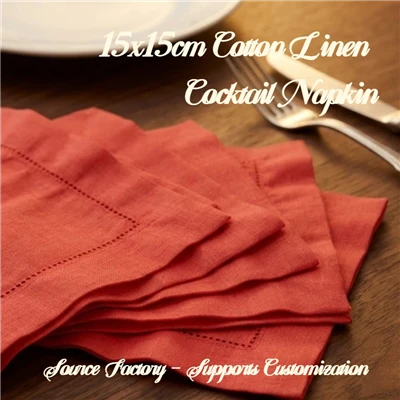


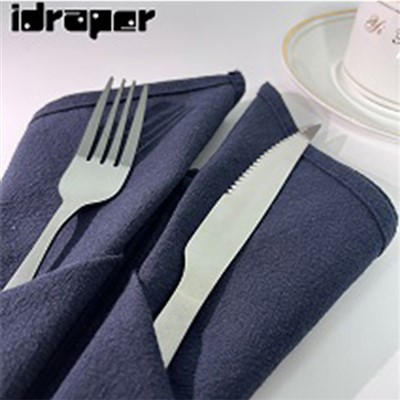

Linen napkins are an essential table decoration that can add an elegant and sophisticated touch to any dining experience. Made from high-quality linen, these napkins are not only beautiful but also very durable. They are an eco-friendly alternative to disposable paper napkins and can be used over and over again.
What is Linen Napkin
Linen napkins are a type of cloth napkin that can be used for formal dining. They are made from flax plants and are known for their strength, durability, and absorbency. Linen napkins are soft, easy to care for, and come in a wide variety of colors and patterns. Linen-feel napkins are often made from nonwoven fabrics that have a soft, cloth-like texture. They can also be made from air-laid or DRC paper, and are lint-free and static-free.
Why You Should Invest in Linen Napkins


Quality and Durability
In contrast to paper and even cotton, linen is a sturdy material that will retain its quality for many years. Selecting napkins that are tough and can withstand regular use is a practical investment; they will become an integral part of your dinnertime routine and may even become family heirlooms. Furthermore, owning high-end quality items will give your table a particular flair that disposable paper napkins will fail to measure up to.
Expression of Style
Linen napkins, often regarded as symbols of elegance and sophistication, are a luxurious contributor to refined dinnertime aesthetics. They also come in a range of styles and designs. While the majority of napkins come in a variety of block colours that are suitable for everyday use, you could alternatively opt for a more intricate embroidered or hemstitched design. In recent times, customised napkins have become commonplace at occasions such as wedding celebrations. Linen napkins can be further embellished with a napkin ring. Often, you’ll be able to purchase a matching tablecloth, creating a perfect set for special occasions.
Absorption
Linen napkins are extremely absorbent-they can be used as a dishtowel to soak up small amounts of liquids and additionally double up as a makeshift coaster when serving a drink. In comparison to cotton, linen napkins are also less likely to stain.
Sustainability
While single-use paper napkins are undoubtedly convenient, excessive consumption is harmful for the environment. In contrast, cloth napkins are significantly more sustainable. Paper napkins are often thrown away straight away after use. While they can be sourced from recycled materials, they’re not recyclable themselves once they’ve been used and become dirty. On the other hand, cloth napkins are reusable and can also be donated to textile recycling services. This positions linen napkins as the eco-friendly choice to opt for.

Why Choose Linen as Your Napkin Fabric
High Absorption Power
The advantages of this linen have been very often mentioned in many articles. This type of fabric has high absorption but remains dry and cool when we touch. Linen is even better in absorbency when compared with cotton. With these advantages, linen will be very suitable for use as a material of bed sheet.
Long-lasting
Linen is a strong fabric; its inelasticity actually has a positive effect on itself. Linen becomes durable, the more often washed in the right way then the linen will be softer. Unlike other types of fabrics.
Environmentally Friendly
Flaxseed requires little water to grow and does not require additional fertilizers or pesticides to support its growth. The process of making linen is also far from chemicals when compared with cotton, which makes linen the most environmentally friendly fabric for now.
Natural Fabrics
Linen is a natural fabric made of flax fiber. In treating flax trees farmers do not use pesticides because rainwater is enough to provide the water intake in its growth.
Economical
Linen is much stronger than cotton, this makes the use of linen will be longer even for daily use such as bed sheets or towels. That will considerably reduce your budget to buy new sheet or towels.
Recommended for Children
It has a unique filtering system, which makes it very soft and cool when used. Many people say linen is an anti-bacterial fabric and can have a high ability to absorb moisture.
Wrinkles
Wrinkles are characteristic of linen. This happens in linen because of the inelasticity of the linen fibers, but the wrinkles on the linen are one of the beauties of itself.
The Benefits of Using Linen Napkins Instead of Paper
Environmental Sustainability
The use of linen napkins has several advantages, one of which is their favourable effects on the natural world. Microfiber napkins are recyclable and compostable, in contrast to paper napkins, which tend to be single-use and add to landfill garbage. By choosing linen, you can encourage sustainability and dramatically lower your carbon impact. Given that flax plants use less water and pesticides than other fibre crops, linen is an environmentally friendly resource. Using linen napkins lessens the demand for ongoing paper manufacture and contributes to resource conservation.
Cost-Effectiveness
Although the initial cost of linen napkins may be slightly higher than that of disposable paper towels, they end up being more affordable over time. Since linen napkins can be reused, you can stop spending money on throwaway napkins regularly. In the long run, linen tablecloths are a cost-effective option since they may endure for several decades with the right upkeep and care. Aesthetics and Elegance Linen napkins add a touch of refinement and elegance to your dining arrangements. The breathable feel and look of linen cloth enrich the whole eating experience and offer a touch of elegance. No matter if you're having an elaborate meal or a casual get-together, linen napkins give your place a polished and elegant appearance, improving the mood and fostering a pleasurable dining experience.
Softness and Absorbency
Linen is renowned for having a smooth, soft feel, which makes linen napkins pleasant on the skin. Linen napkins offer an even more relaxing and delightful eating experience than paper napkins, which may occasionally feel scratchy and harsh. The table and hands are kept clean by the great absorbent qualities of linen, which also efficiently absorb spills and moisture. Versatility and Personalisation There are many ways to personalise and customise cotton napkins. They come in a variety of sizes, styles, colours, and patterns, which means you could match these to the rest of your table's decoration plus your personal preferences. To give a personalised touch, linen napkins can be monogrammed, embellished, or decorated with embellishments. This adaptability enables you to design one-of-a-kind tablecloths that express your taste and improve your room's general appeal.
Enhanced Formal Occasions
Linen tablecloths are best suited for formal parties as well as other special occasions. Linen napkins bring refinement to the dining room setting, whether it's for a celebration of marriage, an engagement dinner, or a seasonal gathering. They provide a unified and elegant effect when used with fine china, crystal glasses, and other premium settings.
How Do You Wash Linen Napkins
Linen napkins are a beautiful addition to any dinner table. They add a touch of sophistication and can be used over and over again. But how do you wash them so that they stay looking their best? Here are a few tips
Soak in cool water for about 30 minutes before washing. This will help to loosen any dirt or stains.
Linen napkins can be washed in the washing machine on a cool, delicate cycle. However, it's important to make sure that they are not washed with other items that might damage them, such as jeans or towels.
Hang to dry, and then iron while they are still damp. This will help to prevent wrinkles and give them a nice crisp finish.
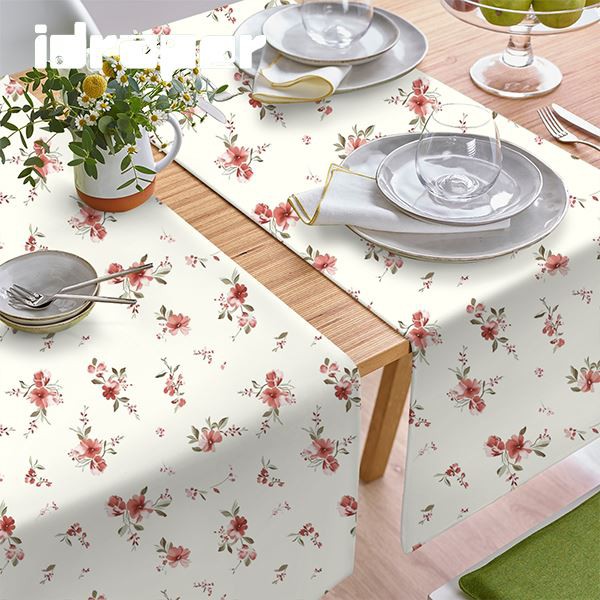
How to Store Linen Napkins
Containers
Storing linen napkins in containers is the optimum storage technique. A popular container to use for this is often just a simple plastic box. Why do we recommend this? This is specifically so that your napkins do not lose any of their shapes, pick up unwanted odours and so that they are always ready for use. The important thing though is to fold the napkins to fit the size of the container. This will prevent napkins from creasing or wrinkling. When storing your napkins we recommend folding the napkin into thirds.
Separate Them Out for Ease
Sorting and separating napkins also prevent you from keeping the ones that are not in use and have to be thrown away. Doing so ensures that you won’t ever be in a position where you accidentally give a diner a stained or damaged napkin. And of course, it goes without saying that you need to make sure that your napkins are kept in an accessible place so they can be reached with ease.
Keep in a Cool and Dry Place
Following on from the previous point, if you do opt to keep the napkins in plastic storage boxes, you need to ensure that you keep them in a cool and dry place. A storage cupboard or drawers will work perfectly.
How to Cooperate With Us
Check Out Our Product Category
You’ll see full collection of our products in website.
Send Us an Inquiry
Your inquiry with the product custom details will be responsed in 7 days x 24 hours.
Get a Quotation
We offer EXW/ FOB/CIF/DDP/ DDU Price as customers require.
Receive Free Sample
We offer our customers samples for free.
Determine the Final Solution
We finalise our custom and transport plan after thorough online/offline communication.
Start our Cooperation
Efficient and precise processing and testing equipment.
Our Certificate
The company has been adhering to the principle of "people-oriented, guests first, establishing the integrity service as the criterion, and taking careful work as the method.

Common Problem of Linen Napkin
We're well-known as one of the leading linen napkin manufacturers and suppliers in China. If you're going to wholesale high quality linen napkin with competitive price, welcome to get more information from our factory.