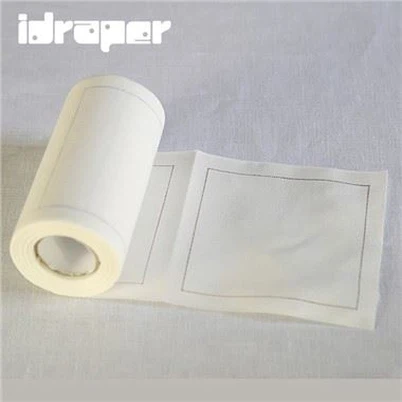
Dinner Napkins: Elevating Dining Aesthetics and Etiquette
Leave a message
Amid the tapestry of culinary refinement and social graces, Dinner Napkins emerge as quintessential artifacts, seamlessly weaving together the threads of elegance, functionality, and cultural nuances. This article embarks on an exploration of the realm of Dinner Napkins, delving into their historical evolution, diverse styles, manufacturing intricacies, and their pivotal role within the fabric of dining etiquette.
Dinner Napkins, often hailed as table napkins or place-setting napkins, stand as tangible symbols of refined dining experiences. Their lineage traces back through centuries, bearing witness to the evolution of both dining customs and textile craftsmanship. Unlike their utilitarian counterparts, Dinner Napkins serve as more than mere tools for cleanliness; they embody the confluence of aesthetics and manners, influencing the tenor of formal and semi-formal meals.
The artistry enfolded in crafting Dinner Napkins harmonizes traditional techniques with contemporary sensibilities. Meticulous attention is devoted to the selection of textiles, ranging from cotton and linen to more opulent options like damask and jacquard weaves. These textiles, prized for their absorbent properties, soft textures, and drapery, define the character of the napkin. They are deftly cut, hemmed, and sometimes embellished with monograms, embroidery, or intricate borders, imbuing the napkins with a personalized touch.
The scope of Dinner Napkin styles is as diverse as the settings they grace. From formal banquets to intimate gatherings, these napkins transition seamlessly, lending an air of sophistication to each tableau. Their size and shape are often tailored to complement specific dining scenarios, whether alongside a formal place setting or adorning the lap during a refined meal. The careful folding techniques, such as the classic pyramid or more elaborate designs, further accentuate their role in enhancing visual allure.
Beyond their visual and tactile allure, Dinner Napkins bear the mantle of practicality. Their role extends beyond wiping and cleaning, encompassing lap protection, crumb containment, and the enhancement of formal dining aesthetics. They serve as a medium for signaling the pace of the meal, indicating when diners are pausing or have concluded their repast, a silent dance choreographed by the simple act of their placement.
Cultural nuances intertwine with the usage of Dinner Napkins. Different societies may uphold specific norms, such as the placement of the napkin on the lap, left or right, or the significance of its positioning when temporarily absent from the table. These gestures underscore the role of the Dinner Napkin as an unspoken messenger of dining etiquette, fostering an environment of refinement and respect.
Caring for Dinner Napkins involves a delicate balance between preserving their fabric and embellishments. While some are machine washable, others require more delicate treatment to safeguard their longevity and intricate details. Storage in a dry and well-ventilated space ensures the napkins remain ready to grace tables with their elegant presence.
In a world that reveres the culinary arts and social interaction, Dinner Napkins stand as emblematic conduits, channeling the essence of hospitality and refinement. Their historical legacy, diversity in materials and styles, and symbiotic relationship with dining customs solidify their role as essential elements within the grand tapestry of table aesthetics and etiquette. By draping the table with grace, they uphold the timeless traditions that connect us across cultures and epochs.